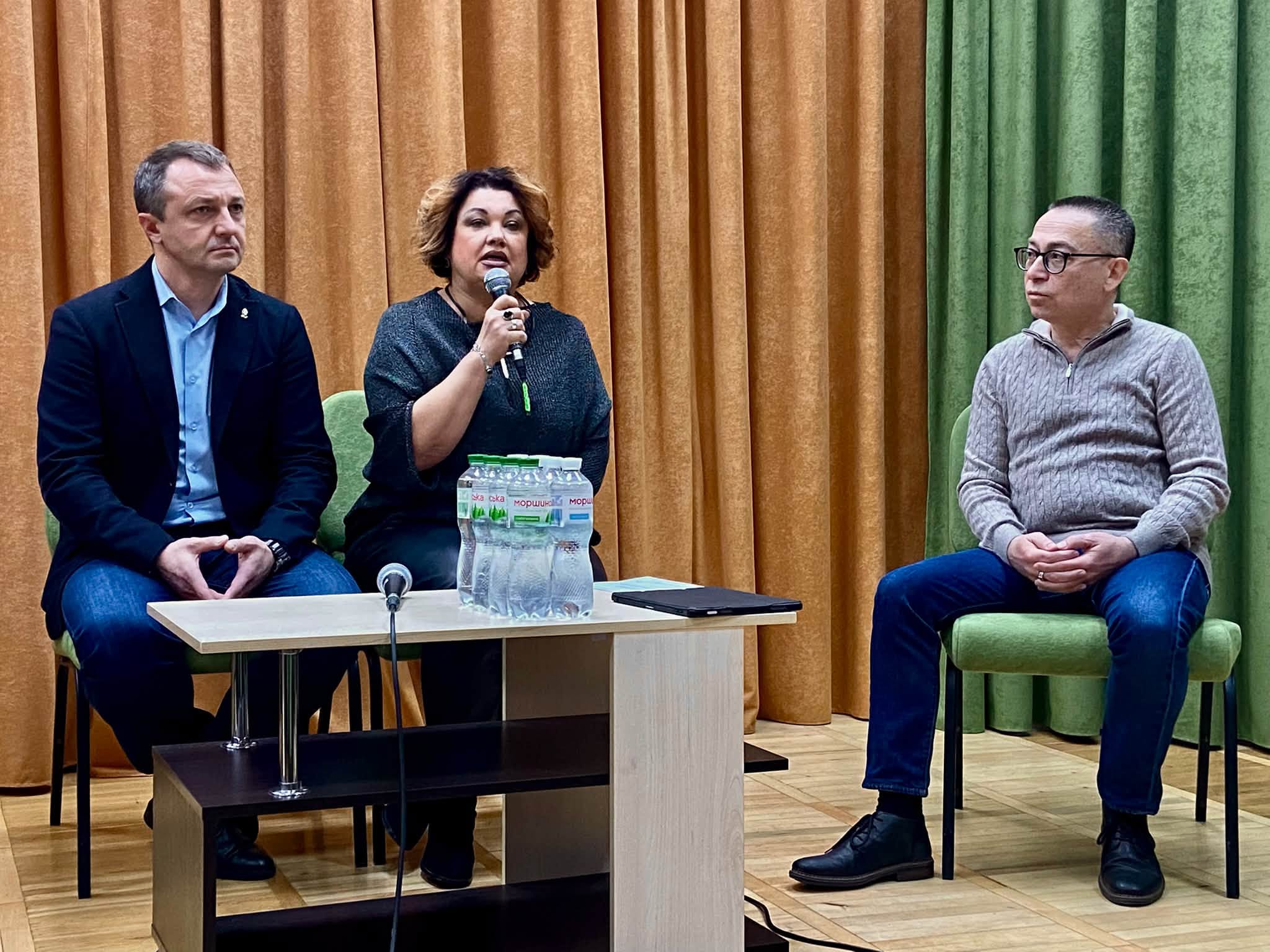
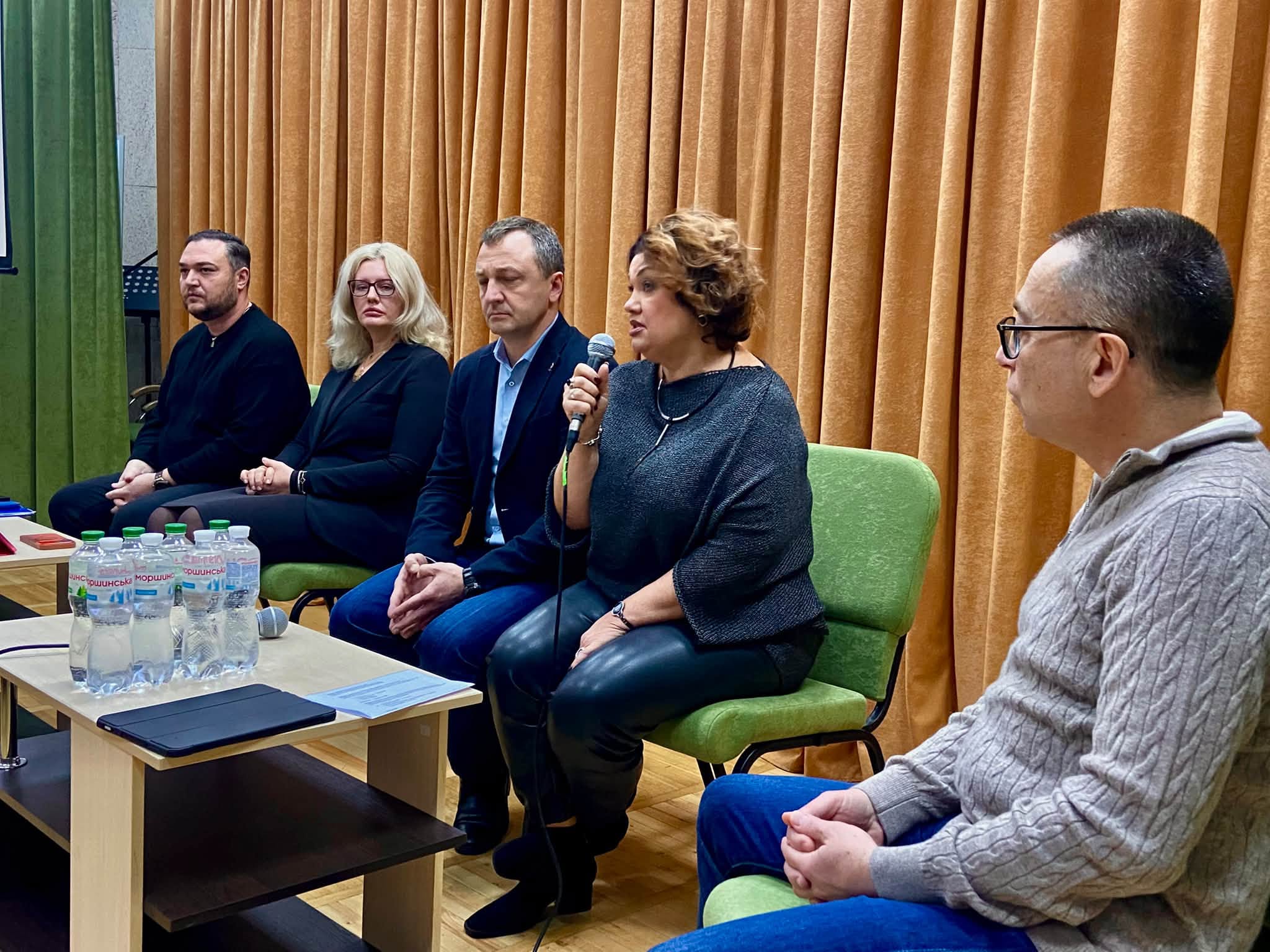
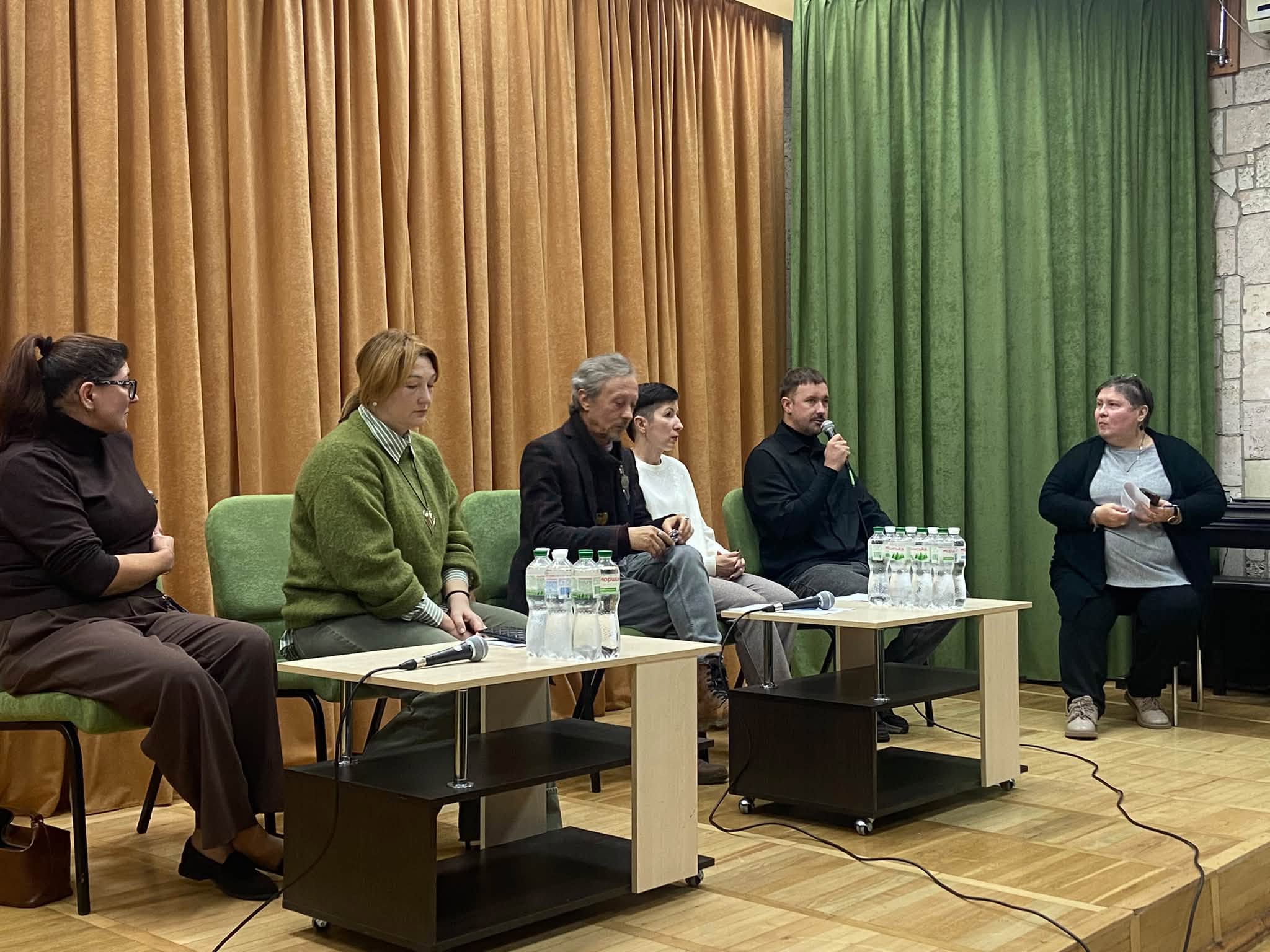
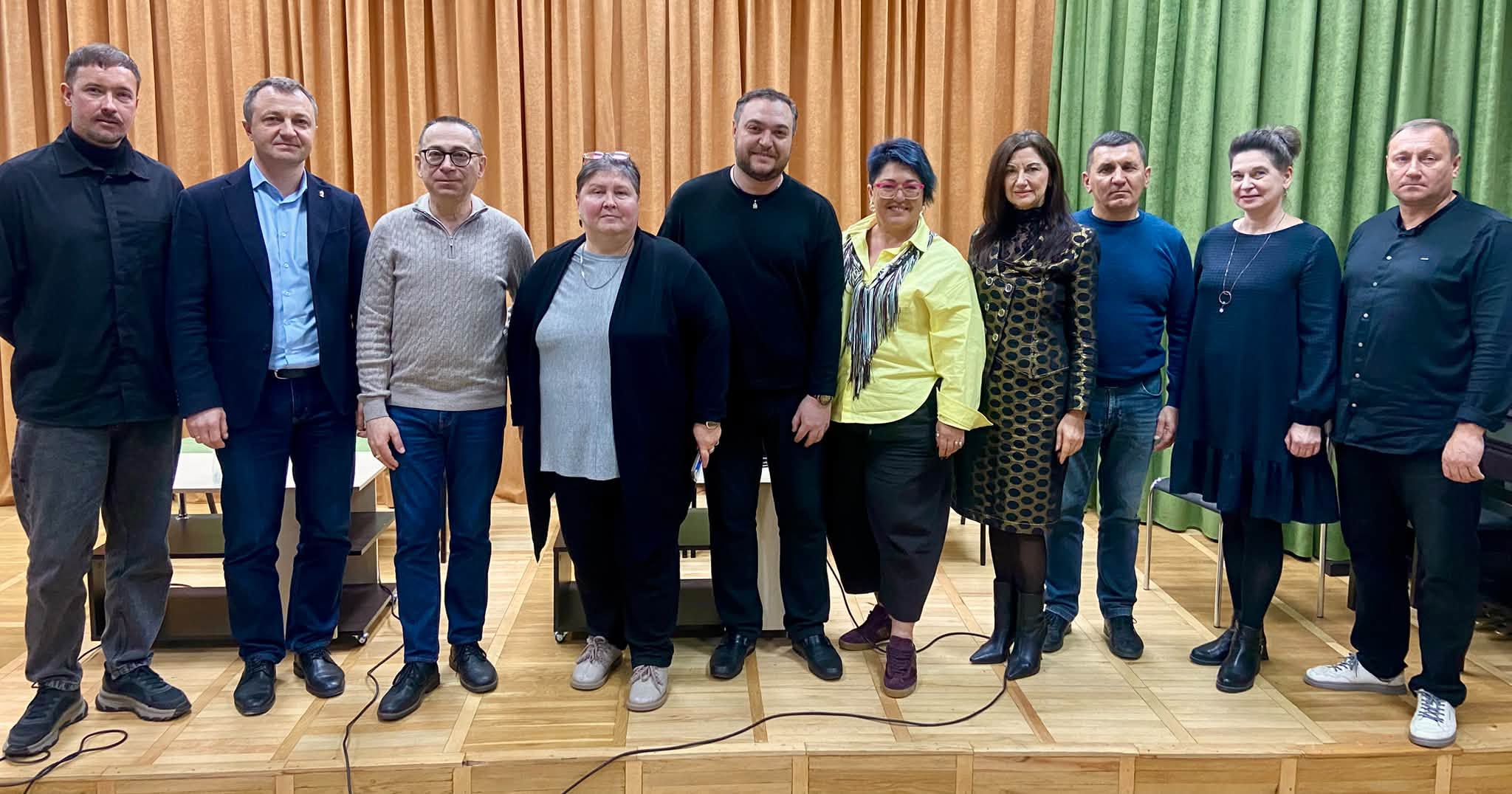
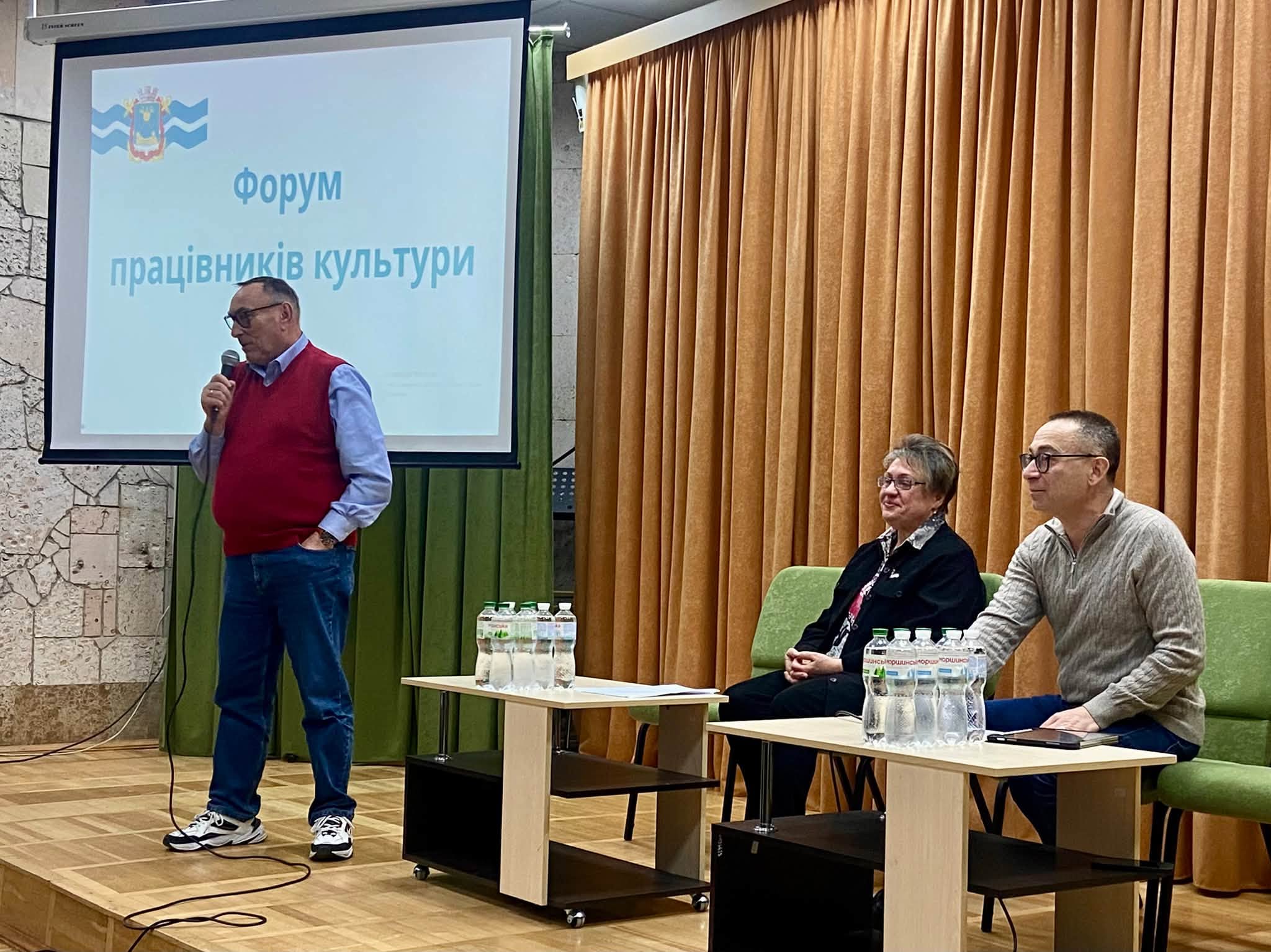
This is an honest conversation about what libraries, museums, theaters, art schools, cultural centers, and the people working in them face every single day.
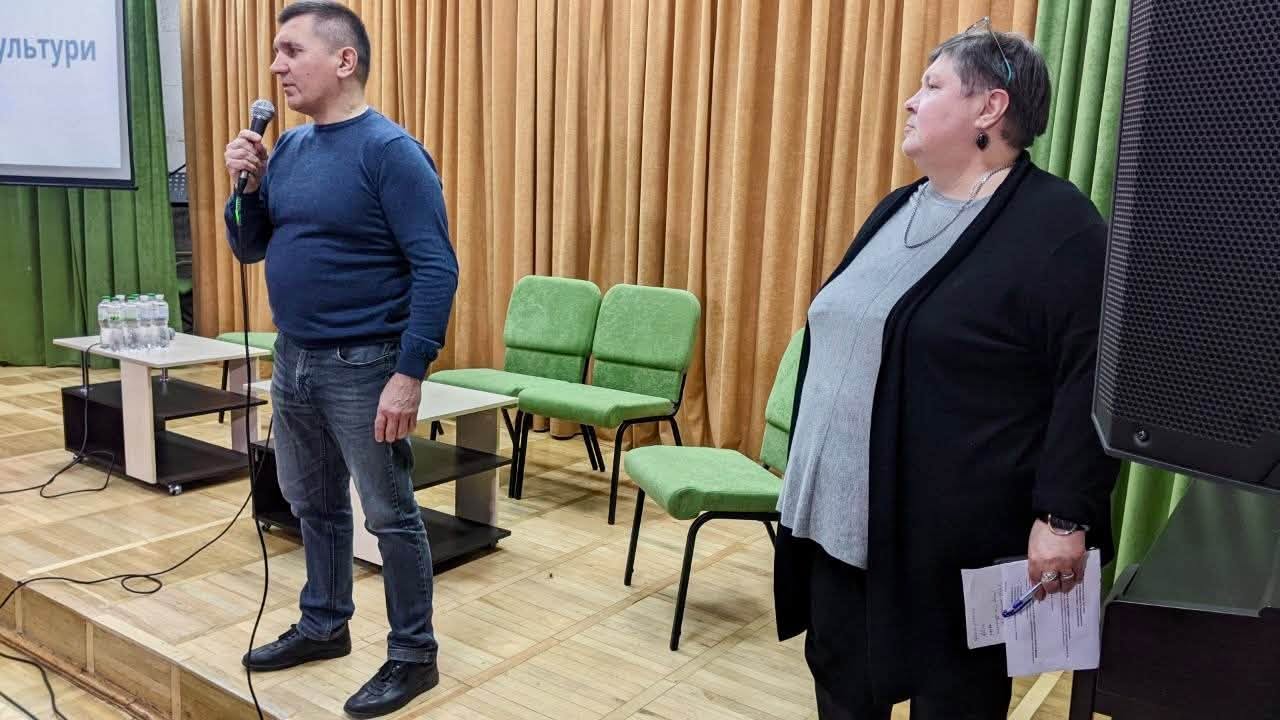
At the opening of the forum, Anatolii Petrov, Deputy Mayor, and Serhii Samoukov, representative of the NGO "Solidary Affair of Communities. Mykolaiv," addressed the culture workers.
Afterward, the participants turned to the main agenda: an open dialogue regarding the challenges and prospects of the cultural sector.
The forum was structured in a panel format, focusing not merely on discussing problems, but on striving to find solutions and concrete action steps.
Among the key topics:
- culture funding: budget allocations, grants, fee-based services, and opportunities for attracting additional resources;
- personnel policy: shortage of specialists, remuneration and work motivation, professional burnout, and attracting young specialists;
- development of cultural institutions: how to transform, respond to community needs, and remain relevant;
- as well as many other issues that define the future of Mykolaiv’s cultural sphere today.
The panels were moderated by Yurii Liubarov, Head of the Department of Culture and Arts of Mykolaiv City Council, and Inha Khorzhevska, Director of the Marko Kropyvnytskyi Central City Library.
The main speakers were Yevhen Bezukh, Chairman of the Regional Trade Union of Culture Workers; Svitlana Batazova, Director of Children's Art School No. 1; Taras Kremin, scholar and public figure; Natalia Bashtova, Director of the Mykolaiv Regional Center for Folk Art and Cultural-Educational Work; Volodymyr Topchyi, Director of the Mykolaiv Zoo; Larysa Stoliarova, Director of Children's Music School No. 5; Viktor Smirnov, Artistic Director of the Voskresensk Palace of Culture; Kateryna Barboianova, Acting Director of the Mykolaiv Regional Museum of Local History; Yevhen Homoniuk, project and cultural manager; Taisiia Belibova, Director of the Central City Children's Library; Natalia Kasianchuk, Director of the Velyka Korenykha House of Culture; and Yuliia Zakharova, Director of the "Molodizhnyi" Palace of Culture.
Yet, perhaps the most critical question of the forum sounds very simple: what will happen to the city if tomorrow there are no libraries, museums, theaters, or art schools left?
Culture does not produce metal, build roads, or sell products. It achieves something else: it shapes humans and society.
It is within cultural institutions that children discover books and art, youth find space for growth, military personnel and their families find support, and the community finds a place for dialogue, generating ideas, preserving memory, and building a sense of unity.
At the same time, culture workers today remain among the lowest-paid specialists. In Mykolaiv, the salary situation in the cultural sphere is particularly acute. Today, funding falls short of covering even the most essential needs, deepening the staffing crisis. Those who continue to work know firsthand about professional and emotional burnout.
Despite this, culture perseveres.
Libraries, museums, houses of culture, theaters, and arts institutions organize hundreds of events, help people adapt to new challenges, support children, veterans, and internally displaced persons, cater to everyone in need of knowledge, connection, and inspiration, and implement grant projects.
Culture workers remain in their profession not because it pays well.
They stay because they believe in what they do.
However, belief alone is not enough.
It is essential that the value of this work is measured not only by words of gratitude from visitors, but also by decent working conditions and fair remuneration. Based on the outcomes of the forum, a resolution is being prepared and will be published shortly.
Respect for culture begins with respect for the people who create, develop, and preserve it every day.
It is time to stop pretending that we do not exist.
We exist. We work. And the culture of Mykolaiv rests on the people who create it day in and day out.